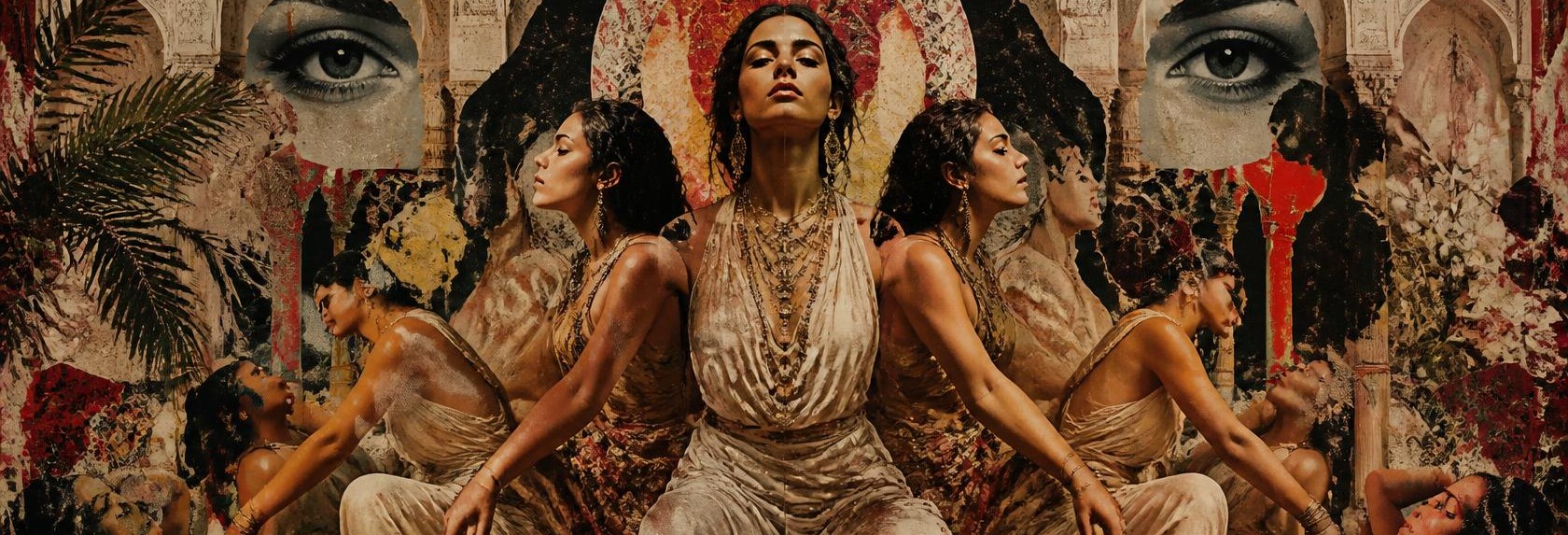
The study "Art and Memory: The Role of Visual Culture in Remembrance," written by Asuma Mariita Nchaga, argues that art is not only a form of aesthetic expression but also a dynamic force that shapes social identity and constructs collective memory. From antiquity to Renaissance iconography, from modern war memorials to digital media, the article addresses from an interdisciplinary perspective how visual culture has preserved, questioned and reconstructed the past across a broad historical spectrum.
The core content of the study rests on how visual representation assumes a mediating role in the processes of remembrance. The researcher emphasises that, especially in the face of trauma, loss and historical ruptures, art is both a repository that preserves cultural memory and an actor that reactivates it. In this context, through important case analyses such as post-Holocaust commemorative practices, the visual elements in Isabel Allende's narratives and the public representation of Salvador Allende, the study examines the tensions between visibility and erasure, between personal memory and collective memory.
The importance of the article stems from defining memory not merely as the preservation of thoughts but as a developing and transforming process. Encompassing a broad sensory and technological field — from the tactile memory of the visually impaired to the fluid memory spaces of the digital world — the author states that image, matter and space become active “agents of remembrance.” In particular, the analyses of how digital technologies, by transcending the limits of physical space, render memory variable, offer a contemporary view of modern commemoration crises. As a result, this study reveals that, in order to understand the bond societies establish with the past, visual culture is an indispensable tool not only for commemorating the past but also for questioning and transforming it.
Click to read the article
Source: https://doi.org/10.59298/IDOSRJAH/2025/1131318